AI Training and Awareness sits at the intersection of technology, regulation, and organizational strategy. As AI systems become more capable and more widely deployed, the governance practices around this topic are evolving from theoretical frameworks to operational necessities.
This article provides a practitioner's perspective — grounded in publicly available frameworks like the NIST AI RMF, EU AI Act, and OECD AI Principles — with actionable guidance for governance professionals navigating this space today.
Why Training Is a Governance Pillar
Policies without understanding produce compliance theater, not governance. Leading organizations have found that addressing this systematically — rather than on a case-by-case basis — produces better outcomes and reduces the total cost of governance over time. For organizations just starting their governance journey, the key is to begin with the highest-risk AI systems and build governance practices incrementally rather than attempting to govern everything at once.
The status quo — governing AI with existing IT frameworks — is no longer sufficient. ai literacy enables better decision-making at every level of the organization. If you're starting from scratch, focus on the highest-risk AI systems first. Document what you have, assign ownership, and build governance practices one layer at a time. Perfect governance on day one isn't the goal — measurable progress is.
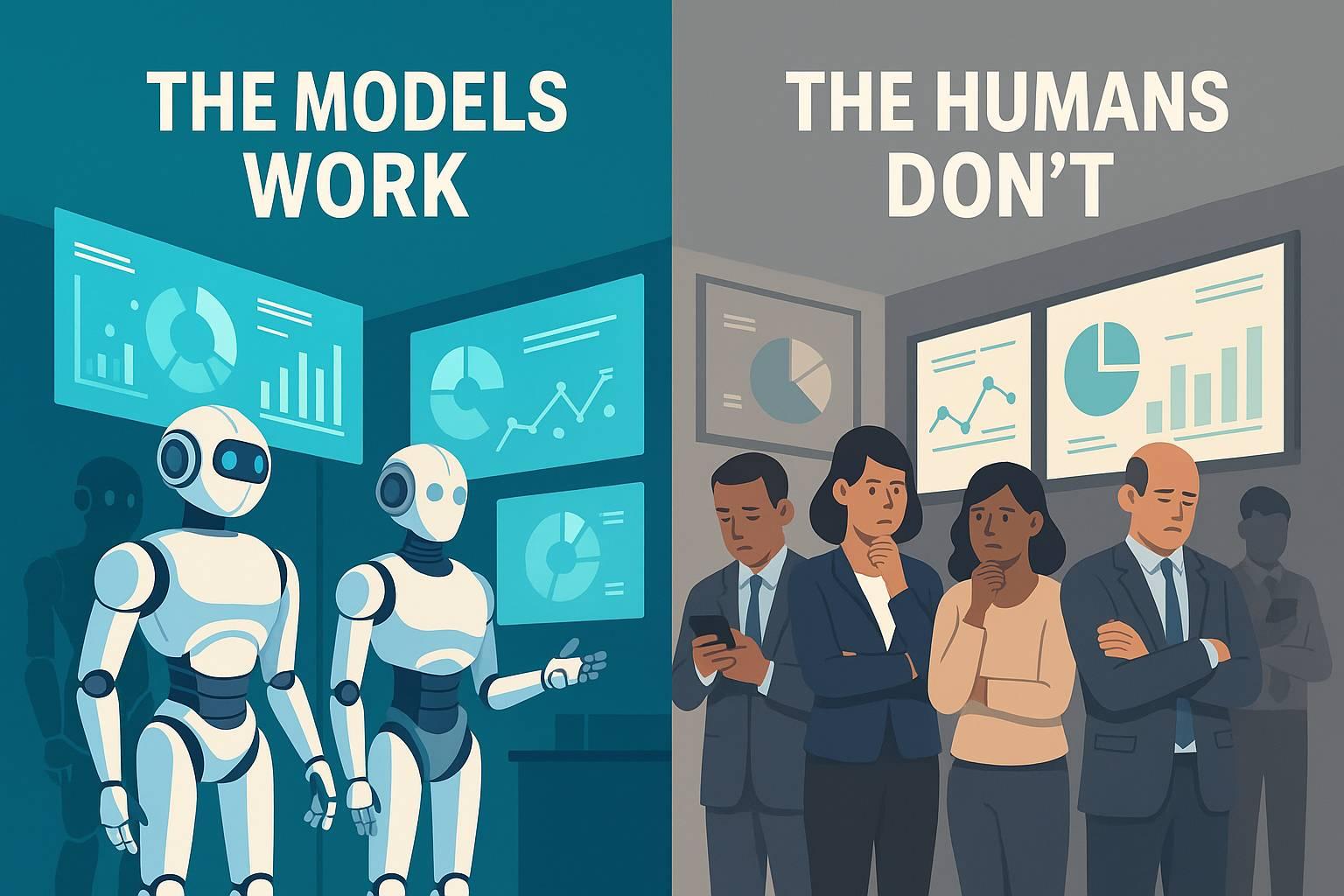
What would happen if this governance control failed? Training is how governance culture takes root beyond the governance team. In practice, organizations that implement this systematically report fewer incidents, faster regulatory response times, and higher stakeholder confidence in their AI deployments.
Tiered Training Approach
The status quo — governing AI with existing IT frameworks — is no longer sufficient. board and c-suite: strategic ai literacy, risk oversight, fiduciary duties. If you're starting from scratch, focus on the highest-risk AI systems first. Document what you have, assign ownership, and build governance practices one layer at a time. Perfect governance on day one isn't the goal — measurable progress is.
Is the human in your loop actually exercising judgment, or just clicking 'approve'? Managers: AI use case evaluation, team oversight, ethical decision-making. In practice, organizations that implement this systematically report fewer incidents, faster regulatory response times, and higher stakeholder confidence in their AI deployments.
A common misconception is that this only applies to large enterprises, but in reality practitioners: technical governance, responsible development, testing and monitoring. Implementation requires clear ownership, defined timelines, and measurable success criteria. Governance activities without accountability tend to atrophy as competing priorities consume attention. Start with a pilot, measure results, and iterate. Governance practices that emerge from practical experience are more durable than those designed in a vacuum.
All staff: AI awareness, acceptable use policies, shadow AI risks. Leading organizations have found that addressing this systematically — rather than on a case-by-case basis — produces better outcomes and reduces the total cost of governance over time. The practical implication is that risk assessment must be continuous, not a one-time pre-deployment exercise. Risks evolve as the system operates, as the data changes, and as the regulatory environment shifts.
Delivery and Effectiveness
What would happen if this governance control failed? Methods: workshops, e-learning, simulations, tabletop exercises. In practice, organizations that implement this systematically report fewer incidents, faster regulatory response times, and higher stakeholder confidence in their AI deployments.
From an operational standpoint, the key challenge is measuring effectiveness beyond completion rates: behavioral change, incident reduction. AI incident response differs from traditional IT incident management because the root cause is often subtle — a gradual data drift, an edge case in the training data, or an adversarial input that exploits a statistical weakness. Detection and diagnosis require AI-specific expertise. Start with a pilot, measure results, and iterate. Governance practices that emerge from practical experience are more durable than those designed in a vacuum.
Keeping training current as AI evolves quarterly, not annually. Leading organizations have found that addressing this systematically — rather than on a case-by-case basis — produces better outcomes and reduces the total cost of governance over time. For organizations just starting their governance journey, the key is to begin with the highest-risk AI systems and build governance practices incrementally rather than attempting to govern everything at once.
What to Do Next
- Assess your organization's current practices against the key areas covered in this article and identify the top three gaps
- Tailor training content to each audience's role and decision-making authority rather than delivering one-size-fits-all awareness sessions
- Measure training outcomes through behavioral metrics (e.g., governance checkpoint compliance rates) rather than completion rates alone
This article is part of AI Guru's AI Governance series. For more practitioner-focused guidance on AI governance, risk management, and compliance, explore goaiguru.com/insights.