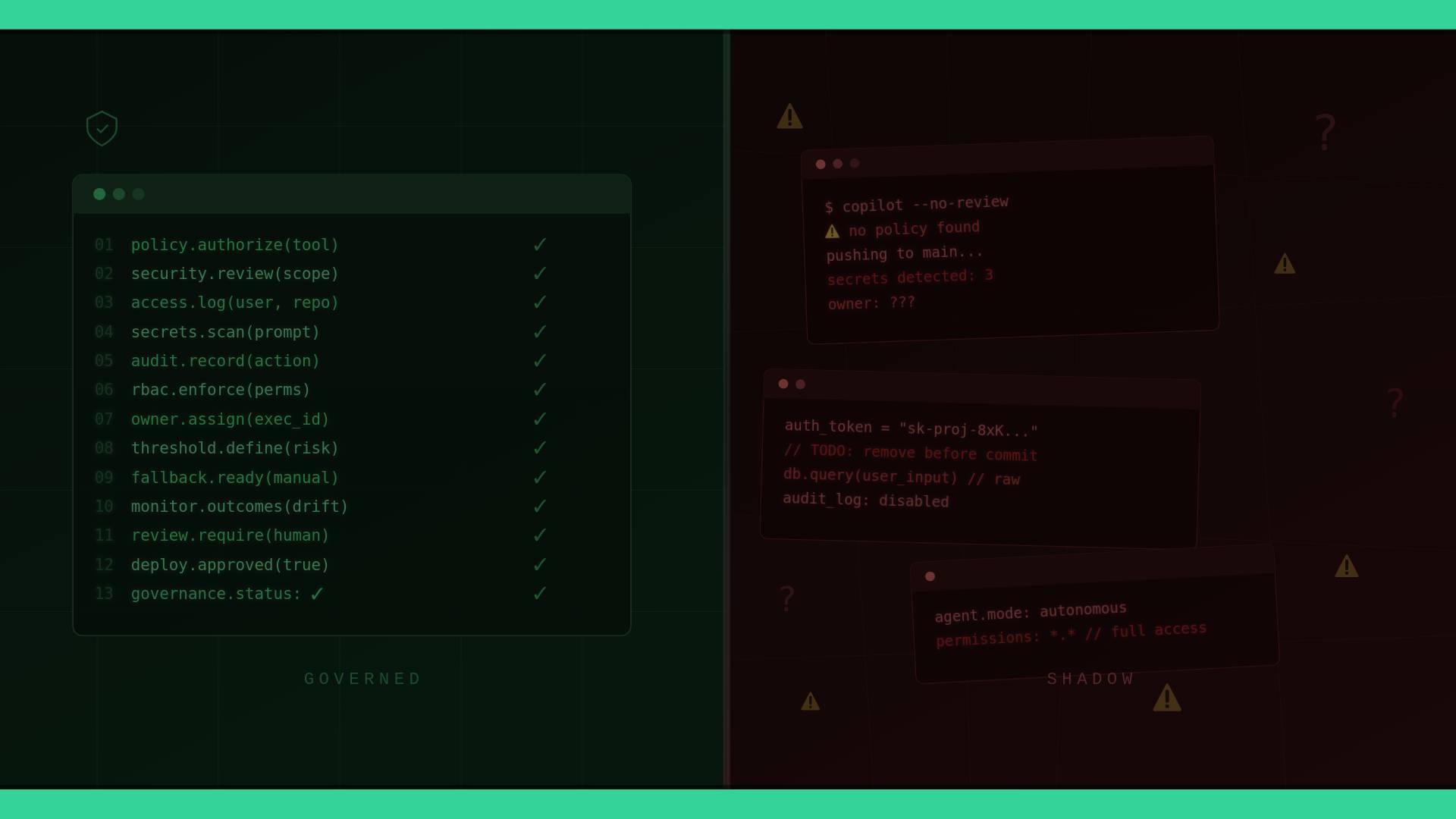
An AI governance program isn't a document — it's an operating model. It's the difference between having an AI ethics statement on your website and having a cross-functional team that can actually evaluate, approve, monitor, and retire AI systems in a structured way.
Most organizations that struggle with AI governance don't lack good intentions. They lack structure: clear roles, defined processes, executive sponsorship, and a way to scale governance as their AI portfolio grows from 5 models to 500.
This article provides the practical blueprint for standing up an AI governance program — from defining roles and building cross-functional teams to avoiding the common mistakes that turn governance into a bottleneck rather than an enabler.
Essential Governance Roles
In practice, this means ai governance officer or chief ai ethics officer. Implementation requires clear ownership, defined timelines, and measurable success criteria. Governance activities without accountability tend to atrophy as competing priorities consume attention. Start with a pilot, measure results, and iterate. Governance practices that emerge from practical experience are more durable than those designed in a vacuum.
AI ethics board or review committee. Leading organizations have found that addressing this systematically — rather than on a case-by-case basis — produces better outcomes and reduces the total cost of governance over time. Organizations that invest in this capability early build a competitive advantage: they deploy AI faster, with more confidence, and with fewer costly surprises downstream.
The status quo — governing AI with existing IT frameworks — is no longer sufficient. model risk management function. The key is to match governance rigor to risk level. Not every AI system needs the same depth of oversight — invest your governance resources where the stakes are highest and scale lighter-touch governance for lower-risk applications.
Does your AI system's data handling meet regulatory expectations? Legal, privacy, and security integration points. In practice, organizations that implement this systematically report fewer incidents, faster regulatory response times, and higher stakeholder confidence in their AI deployments.
Cross-Functional Collaboration
Why diversity of expertise and perspective matters in AI governance. Leading organizations have found that addressing this systematically — rather than on a case-by-case basis — produces better outcomes and reduces the total cost of governance over time. Organizations that invest in this capability early build a competitive advantage: they deploy AI faster, with more confidence, and with fewer costly surprises downstream.
Compliance alone isn't governance — compliance is the floor, not the ceiling. the roles that need a seat: legal, compliance, privacy, security, hr, business, engineering, ux/design, ethics, domain experts. The key is to match governance rigor to risk level. Not every AI system needs the same depth of oversight — invest your governance resources where the stakes are highest and scale lighter-touch governance for lower-risk applications.
What would happen if this governance control failed? Structuring working groups, review boards, and escalation paths. In practice, organizations that implement this systematically report fewer incidents, faster regulatory response times, and higher stakeholder confidence in their AI deployments.
Differentiating by Context
The status quo — governing AI with existing IT frameworks — is no longer sufficient. startup vs. fortune 500: governance scales with maturity and risk. The key is to match governance rigor to risk level. Not every AI system needs the same depth of oversight — invest your governance resources where the stakes are highest and scale lighter-touch governance for lower-risk applications.
What would happen if this governance control failed? Industry differences: financial services vs. healthcare vs. tech. A lending model that uses zip code as a feature may produce accurate predictions while creating disparate impact along racial lines — because zip code correlates with race in many geographies. This is a governance failure, not a technical one, because the decision to include that feature was a human choice.
In practice, this means developer vs. provider vs. deployer vs. user — different roles, different obligations. Implementation requires clear ownership, defined timelines, and measurable success criteria. Governance activities without accountability tend to atrophy as competing priorities consume attention. Start with a pilot, measure results, and iterate. Governance practices that emerge from practical experience are more durable than those designed in a vacuum.
Common Mistakes
What would happen if this governance control failed? Governance as bottleneck rather than enabler. In practice, organizations that implement this systematically report fewer incidents, faster regulatory response times, and higher stakeholder confidence in their AI deployments.
Organizations at every maturity level must address paper-only programs that look good but don't work. Implementation requires clear ownership, defined timelines, and measurable success criteria. Governance activities without accountability tend to atrophy as competing priorities consume attention. Start with a pilot, measure results, and iterate. Governance practices that emerge from practical experience are more durable than those designed in a vacuum.
No executive sponsorship or board-level visibility. Leading organizations have found that addressing this systematically — rather than on a case-by-case basis — produces better outcomes and reduces the total cost of governance over time. Organizations that invest in this capability early build a competitive advantage: they deploy AI faster, with more confidence, and with fewer costly surprises downstream.
The status quo — governing AI with existing IT frameworks — is no longer sufficient. training and awareness as an afterthought. The key is to match governance rigor to risk level. Not every AI system needs the same depth of oversight — invest your governance resources where the stakes are highest and scale lighter-touch governance for lower-risk applications.
What to Do Next
- Assess your organization's current practices against the key areas covered in this article and identify the top three gaps
- Assign clear ownership for each governance activity discussed — accountability without a named owner is just aspiration
- Establish a regular review cadence (quarterly at minimum) to evaluate whether governance practices are keeping pace with AI deployment
This article is part of AI Guru's AI Governance series. For more practitioner-focused guidance on AI governance, risk management, and compliance, explore goaiguru.com/insights.